



Smart homes used to feel complicated. Wires were hidden behind walls, contractors were on speed dial, and expensive upgrades only made sense if you were renovating anyway. That version of smart living is now outdated.
Today, the smartest upgrades are quiet, simple, and designed to fit into your existing home. There is no drilling, no rewiring, and no need to replace what already works. Instead, you can find thoughtful devices that install in minutes and immediately make daily life easier.
At RYSE, that idea shapes everything we build. Smart living shouldn’t start with a heavy renovation. It should start with what’s already there.
What “No Installation” Actually Looks Like
A true DIY smart device doesn’t ask you to change your home; it adapts to it. The best no-installation smart devices share these core traits:
- Battery-powered or plug-in: No electrician required.
- App-controlled: Setup is handled via your smartphone.
- Non-invasive mounting: Devices can be installed with either screws or adhesive.
-
Renter-friendly: Everything is easy to remove or reposition.
The Best DIY Smart Home Upgrades
Smart Plugs: Instant Impact
Smart plugs are the simplest entry point into automation. You plug one into a standard outlet and connect it to your Wi-Fi. Suddenly, everyday items like coffee makers or old lamps respond to schedules.
Best For: Automating "dumb" appliances and lamps without replacing them entirely.
Smart Lighting (Screw-In & Stick-On)
Smart bulbs and light strips require zero wiring. They allow you to adjust the warmth of a room throughout the day, which has a direct effect on your focus and sleep quality.
Best For: Renters and homeowners who want to change the mood of a room without touching a light switch.
Smart Blinds: The Retrofit Revolution
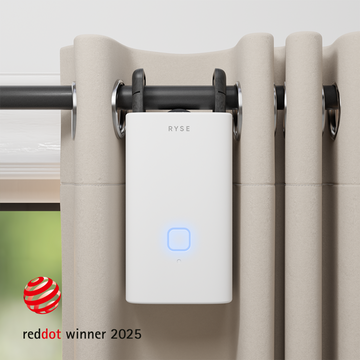
This is where smart homes used to feel out of reach. Traditional motorized blinds required buying new window treatments and hiring a professional. Retrofit solutions like the RYSE SmartShade change that.
RYSE attaches to the beaded chain you already have. There is no wiring, optional drilling (depending on wall type), and no need for advanced tools. Once installed, your blinds can close automatically at sunset or open gently in the morning.
Best For: Anyone who loves their current window treatments but wants the energy savings and convenience of automation.
Smart Curtains (Retrofit Drivers)
For larger windows or sliding doors, smart curtain motors offer the same retrofit advantage. They clamp onto your existing curtain rod or rail and glide the fabric open or closed on a schedule.
Best For: Living rooms with heavy drapes or sliding glass doors where privacy is a priority.
Wireless Sensors: The "Invisible" Smart Home
Motion, light, and temperature sensors are small, discreet, and usually adhesive-mounted. They act as the "nervous system" of a smart home by noticing when you enter a room or when the sun is too bright. This triggers your shades or lights to react automatically.
Best For: Creating "if this, then that" routines, such as closing your blinds when a room gets too hot.
Why Retrofit and DIY Matter More Than Ever
Sustainability by Design
Replacing functional products creates waste. Retrofitting extends their life. Rather than discarding perfectly good blinds or curtains, retrofit devices upgrade their performance. At RYSE, we believe keeping what already works is the most sustainable way to build a smart home.
The Renter’s Advantage
Renters used to be excluded from the smart home conversation. DIY devices are non-permanent and move with you. Your smart home shouldn't disappear when you change addresses. It should be as portable as your furniture.
The Smart Home Myth Worth Letting Go
You don’t need a contractor to have a high-performing home. You need thoughtful design, devices that respect your space, and automation that removes friction rather than adding it.
The smartest homes aren’t the most complex. They are the ones that quietly support how you live.


